The evolution of efficiency in modern food processing
The food industry faces constant pressure to improve efficiency while maintaining the highest standards of safety and hygiene. As global demand for processed and packaged goods rises, businesses are turning to advanced technology to streamline their operations. A high-quality food packaging machine serves as the backbone of this transformation, allowing companies to scale their production levels without compromising on product integrity. From the bustling factories of London to the sophisticated facilities in Tokyo, the shift toward automation has become a necessity rather than an optional upgrade.
Investing in the right equipment enables manufacturers to reduce waste and optimize labor costs significantly. When a company integrates an automated food packaging machine into its production line, it gains the ability to process large volumes of goods with minimal human intervention. This shift not only accelerates the time to market but also ensures a consistent quality that consumers demand. Reliable systems, such as those found on omori.eu, provide the necessary precision to handle delicate ingredients and varied packaging materials effectively. By focusing on durability and technological advancement, modern machinery helps businesses stay ahead in a highly competitive market environment.
Technological advancements in modern packing solutions
Modern technology has revolutionized the capabilities of the contemporary food packaging machine. Engineers have developed systems that can now adjust settings automatically based on the specific product being packed, which reduces downtime significantly. Whether the task involves wrapping snacks in Germany or sealing fresh produce in France, the ability to switch between formats quickly is a major advantage. Furthermore, the integration of smart sensors allows for real-time monitoring of every step, ensuring that each unit meets strict industry regulations.
Such levels of automation mean that the modern food packaging machine is no longer just a static tool but a dynamic component of an intelligent manufacturing ecosystem. Advanced software enables operators to track performance data, which helps in identifying potential bottlenecks before they impact production. Companies that prioritize these cutting-edge solutions often see a substantial improvement in their return on investment. Furthermore, consistent packaging prevents leakage and contamination, which protects the reputation of the food brand and fosters consumer trust in markets ranging from New York to Sydney.
Ensuring hygiene and safety standards through innovation
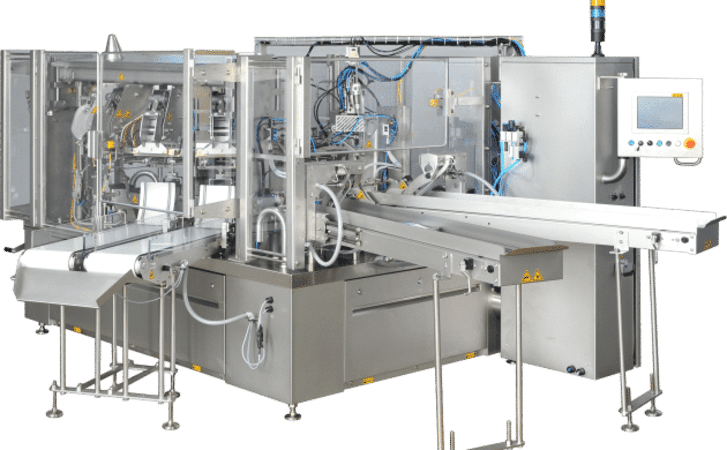
Safety remains the paramount concern for any business operating within the food sector. Each food packaging machine must adhere to rigorous sanitation protocols to prevent the growth of bacteria and ensure that final products remain untainted. Manufacturers now design these machines with stainless steel components and smooth surfaces, facilitating easy cleaning and disinfection processes. This commitment to hygiene is especially critical when handling items that have a short shelf life, as any lapse in cleanliness could have severe health implications for the end user.
Beyond cleaning, the sealing process itself must be precise to maintain a sterile environment. A state of the art food packaging machine provides an airtight seal that prevents oxygen from degrading the freshness of the contents. This capability is vital for brands aiming to extend the storage life of their goods while maintaining flavor and texture. By exploring the diverse options offered at omori.eu, businesses can select machines specifically engineered for their unique health and safety requirements. Such diligence in equipment choice reflects a deeper dedication to protecting the consumer at every stage of the journey.
Future outlook for automated processing systems
The landscape of production continues to evolve as the world shifts toward more sustainable and energy-efficient practices. Manufacturers are now looking for a food packaging machine that operates with a lower carbon footprint without sacrificing speed. Reducing energy consumption and minimizing plastic waste are key drivers of innovation in this sector. As industry standards evolve in places like Canada or Japan, companies that adapt to these trends early will be better positioned to lead their respective markets.
The future of the sector relies on the seamless integration of robotics and artificial intelligence. By leveraging these tools, producers can achieve unprecedented levels of accuracy, effectively eliminating human error from the packing process. The goal is to create a fully autonomous production line where every step, from weighing to final labeling, is handled by a sophisticated food packaging machine. This vision is rapidly becoming a reality for forward-thinking organizations that value precision, sustainability, and technological progress. By committing to these advancements, businesses can continue to deliver high-quality food products to consumers across the globe for many years to come.